The Hidden Dangers of Black Thermophilic Compost: What Lab Tests Don't Tell You
David King
12/3/202520 min read
My post content
The Hidden Dangers of Black Thermophilic Compost: What Lab Tests Don't Tell You
When "Certified" Compost Destroys Soil Biology, Human Health, and Long-Term Soil Function
Introduction: The Problem with "Passing" Tests
You receive a donation of "certified, tested" compost for your garden or farm. The lab report shows it passes all EPA standards. The producer assures you it's safe, "mature," and "stable." It's being used in hospital gardens, community plots, and donated to educational programs. But is it actually safe?
Important Context: The test results I'm analyzing here are not unusual—this is a typical example from a commercial thermophilic compost operation. In my consulting practice using parts-per-billion precision testing and the Albrecht Method for soil balancing, I've reviewed tests from the same laboratory showing aluminum levels three times higher than this example. This isn't cherry-picking a bad batch; this represents standard industry practice, particularly for compost made from municipal and industrial feedstocks.
Commercial compost producers regularly tout their products as "tested and certified," passing all EPA 503 heavy metals standards and pathogen requirements. But what are these tests actually measuring? More importantly, what are they not measuring? And what do they tell us about the real impact on soil biology and ecosystem function?
Let me show you how to read between the lines of compost test reports and understand what they're really telling you about soil health, human safety, and long-term agricultural sustainability.
The Test Results: A Real Example
Here's a real lab report from a Northern California compost facility. The product is made from:
Commercial chicken manure (33% by weight)
Municipal food waste from collection programs
Industrial grape processing waste (winery pomace)
Municipal yard trimmings
The material underwent intensive thermophilic composting at temperatures above 131°F for three months—the standard pathogen-kill protocol required by California regulations.
Official Results - What Passes:
✓ Stability: "Very Stable" (Respiration rate: 2.0 mg CO₂-C/g OM/day)
✓ Pathogens: Pass (Fecal Coliform <7.5 MPN/g, Salmonella <3 MPN/4g)
✓ EPA 503 Metals: Pass (all within regulatory limits)
✓ Bioassay: 93% cucumber emergence, 80% vigor
✓ Physical Contaminants: <0.5% total (by dry weight >4mm)
Looks great, right? This compost is being marketed to hospitals, schools, and organic farmers. Now let's look at what the test actually reveals when you know what to look for.
Red Flag #1: The Maturity Contradiction
Ammonia: 1,000 mg/kg (1,000 ppm)
Nitrate: 3.7 mg/kg
Ammonia:Nitrate Ratio: 270:1
pH: 8.85
The report boldly claims this compost is "very stable" based on a low respiration rate. But buried in the nutrient data, the lab admits in small print: "Ammonia N ppm: 1000 mg/kg - immature"
Wait—how can something be both "very stable" and "immature"?
Here's what's happening: High-temperature thermophilic composting can stabilize the carbon fraction (reducing microbial respiration) while leaving toxic nitrogen compounds completely unprocessed. The extremely high pH (8.85) causes ammonia to volatilize during testing, creating the illusion of stability. The low respiration rate reflects carbon depletion, not maturity.
What Happens When This "Stable" Compost Hits Your Soil:
When you incorporate this compost into garden or farm soil (typically pH 5.5-6.5), several things happen immediately:
pH drops from 8.85 toward your soil's natural pH
Ammonia stops volatilizing and remains in solution
1,000 ppm ammonia becomes directly toxic to:
Germinating seeds (inhibits sprouting)
Root hairs and fine roots (burns on contact)
Beneficial soil bacteria (disrupts populations)
Mycorrhizal fungi (kills on contact)
Earthworms (toxic to all life stages)
Most soil microarthropods
The 270:1 ammonia:nitrate ratio is critical. In properly finished compost, this ratio should be below 10:1, ideally closer to 5:1. A ratio above 20:1 indicates gross immaturity regardless of what the "stability" rating claims. At 270:1, the nitrogen cycle hasn't even started to complete—this material is essentially raw, toxic waste despite months of "processing."
Key Lesson: Always demand to see the ammonia:nitrate ratio. Don't rely on "stability" ratings or respiration rates alone. Anything above 20:1 is immature and will cause problems.
Red Flag #2: The Black Color and Extreme Oxidation
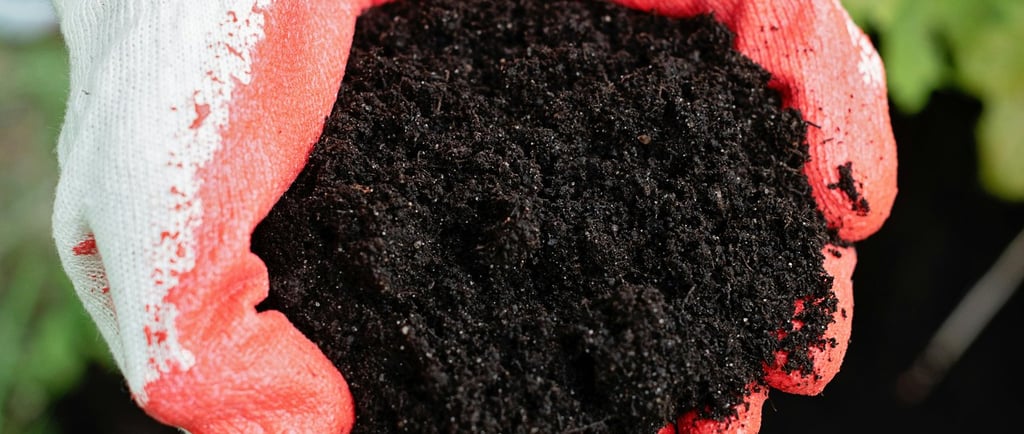
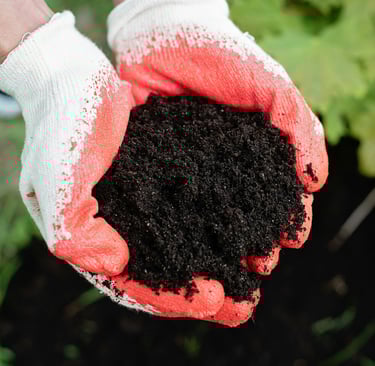
The compost is described as jet black—not the rich dark brown of properly humified organic matter. This visual cue is your first warning of serious thermal abuse.
Ash Content: 40.3% (dry weight basis)
This single number tells a devastating story: 60% of the organic carbon has been burned off during processing. What remains is:
Concentrated minerals (including problematic elements like aluminum)
Degraded, polymerized carbon compounds
Incomplete combustion byproducts
A biologically impoverished substrate
What Creates Black Compost:
When organic matter is subjected to excessive heat (often 150-160°F) and prolonged oxidation, you get incomplete breakdown similar to charring. This produces:
Formaldehyde (from lignin decomposition under heat)
Polycyclic aromatic hydrocarbons (PAHs) (from incomplete combustion)
Heterocyclic amines (from protein pyrolysis)
Free radical compounds (unstable, reactive molecules)
Actinobacteria pigments (black melanin-like compounds)
None of these byproducts appear on standard compost tests. None are regulated. All are toxic to soil biology and potentially harmful to humans handling the material.
The Carbon That's Lost:
That missing 60% wasn't just burned off—it represents the labile carbon fraction that should have been transformed into stable humus through proper microbial processing. Instead:
It went up the stack as CO₂ (contributing to emissions, not sequestration)
It never fed the diverse microbial community needed for humification
It left behind concentrated minerals and degraded compounds
The remaining carbon is mostly recalcitrant (resistant to further breakdown)
Key Lesson: Black color + ash content above 35% = thermal abuse and biological failure. Look for dark brown, not black.
Red Flag #3: The Aluminum Nobody Talks About
Aluminum: 5,000 mg/kg (5,000 ppm) at pH 8.85
Here's something critical: Aluminum is not on the EPA 503 regulated metals list. There's no pass/fail standard. Many compost producers don't even report it. When they do, they rarely explain what it means.
And this is a moderate example. In my consulting work, I've personally reviewed tests from the same laboratory showing aluminum concentrations of 15,000+ ppm—three times what's in this sample. This is not rare; it's becoming increasingly common as more municipal and industrial feedstocks enter the compost stream.
Why Aluminum Levels Are Rising
From Poultry Manure:
Aluminum sulfate (alum) used to control ammonia in litter (can add 2,000-5,000 ppm)
Aluminum-based anti-caking agents in commercial feed
Aluminum phosphate as feed supplement
Modern poultry operations are aluminum concentrators
From Municipal Feedstocks:
Aluminum foil and food containers (extremely common in food waste)
Industrial cleaning compound residues containing aluminum
Drinking water treatment residuals (aluminum sulfate used as coagulant)
Soil contamination in yard waste from urban environments
From Oxidation Concentration: As 60% of organic matter is burned off, aluminum doesn't volatilize—it concentrates. A pile that started with 3,000 ppm aluminum ends up with 5,000+ ppm as organic matter is lost.
The pH-Dependent Time Bomb
At pH 8.85, aluminum exists primarily as aluminum hydroxide [Al(OH)₃]—a relatively insoluble, apparently non-toxic form. The cucumber bioassay at this pH shows healthy plants. The compost appears safe.
But here's what happens in acidic soil:
Most agricultural and garden soils range from pH 5.5-6.5. As compost pH equilibrates with soil:
At pH 6.5-7.0:
Aluminum begins converting from Al(OH)₃ to Al³⁺
Some aluminum mobilizes but impacts are moderate
Sensitive crops (legumes, brassicas) show first symptoms
At pH 5.5-6.0:
Significant aluminum mobilization to Al³⁺ (toxic cation)
Aluminum occupies 15-30% of cation exchange capacity
Direct competition with calcium for uptake
Root tip damage becomes severe
Most crops show stress symptoms
At pH below 5.5:
Extreme aluminum toxicity
Crop failure likely without heavy liming
Mycorrhizal fungi killed
Beneficial bacteria suppressed
Soil ecosystem collapse
Aluminum's Effects on Soil and Plants
Immediate Root Damage:
Aluminum binds to root cell walls and membranes
Inhibits cell division at root apex
Roots become stubby, thickened, brown, and dysfunctional
Cannot explore soil for water and nutrients
Calcium Interference (The Albrecht Connection): Using the Albrecht Method of soil balancing, we know that:
Target calcium saturation: 60-70% of CEC
Ideal Ca:Al ratio: >20:1 (minimum >10:1)
At 5,000 ppm aluminum in compost, typical application rates will:
Add enough aluminum to saturate 15-30% of CEC
Drop Ca:Al ratios below 5:1 in acidic soils
Block calcium uptake even if soil calcium levels are adequate
Phosphorus Lockup:
Aluminum forms insoluble aluminum phosphate
Phosphorus becomes unavailable despite adequate soil levels
Plants increase root exudates (organic acids) to mobilize P
These acids further acidify the rhizosphere
More aluminum mobilizes → downward spiral
Crop-Specific Accumulation:
Some crops accumulate aluminum in edible tissues:
High accumulators: Lettuce, spinach, kale, chard, collards
Moderate accumulators: Broccoli, cabbage, beans, peas, beets
Lower accumulators: Tomatoes, peppers, corn, potatoes
For people growing food in amended soil, this creates a direct exposure pathway, especially concerning for vulnerable populations.
Key Lesson: Always demand aluminum testing. For home gardens and vegetable production, look for <2,000 ppm. Above 5,000 ppm in acidic soils is a serious problem. Above 10,000 ppm is a disaster waiting to happen.
The Real Story: Soil Biology Destruction
This is where the impacts become truly serious. The damage from black, over-heated thermophilic compost isn't just about chemical contamination—it's about destroying the living soil ecosystem and replacing functional diversity with biological poverty.
The Actinobacteria Takeover
Extended high temperatures (131-160°F for months) don't just kill pathogens. They create conditions where only the most extreme organisms survive, and these survivors fundamentally restructure the microbial community.
What Thrives at Extreme Temperatures:
Thermophilic actinobacteria (spore-forming antibiotic producers)
Heat-resistant spore-forming bacteria
Extremophile organisms tolerant to high pH and ammonia
Antibiotic-resistant populations
What Dies:
Diverse fungal networks (including all mycorrhizal fungi)
Nitrogen-fixing bacteria (Rhizobia, Azotobacter, cyanobacteria)
Most decomposer bacteria and fungi
Entire protozoa and nematode populations
The complete soil food web
The Antibiotic Problem:
Actinobacteria didn't evolve to help your soil—they evolved to dominate their environment. They produce antibiotics as competitive weapons:
Streptomycin-type compounds (broad-spectrum antibacterial)
Neomycin-related antibiotics (aminoglycosides)
Actinomycin derivatives (antifungal and antibacterial)
Chloramphenicol-like compounds (protein synthesis inhibitors)
When you apply actinobacteria-dominated compost to soil, you're introducing:
Billions of antibiotic-producing organisms
Active antibiotic compounds already present
Spores that will continue producing antibiotics for months
Selection pressure for antibiotic resistance in your soil
These antibiotics don't discriminate. They suppress:
Beneficial nitrogen-fixing bacteria
Phosphorus-solubilizing organisms
Disease-suppressive bacteria and fungi
Mycorrhizal fungi (critical for 90% of plants)
The entire beneficial soil food web
Your soil becomes biologically impoverished, requiring increasing synthetic inputs to maintain productivity—the exact opposite of what compost should achieve.
Microbial Community Restructuring: Beyond Simple Suppression
The extreme conditions in thermophilic compost—high pH (8.85), high ammonia (1,000 ppm), antibiotic production, oxidative stress, and thermal abuse—don't just kill organisms randomly. They select for a specific, functionally impoverished community.
The Survivors (Less Beneficial):
Extremophile bacteria tolerant to toxic conditions
Actinobacteria (antibiotic producers, not nutrient cyclers)
Certain ammonia-oxidizing bacteria that thrive in high-ammonia environments
Spore-forming organisms that "wait out" harsh conditions
Organisms carrying antibiotic resistance genes
What's Lost (More Beneficial):
Diverse fungal networks essential for soil structure
Specialized nitrogen-fixers that provide plants with free nitrogen
Diverse decomposer communities that process organic matter properly
Protozoa and beneficial nematodes that regulate bacterial populations
Phosphorus solubilizers that make P available to plants
Cellulose and lignin degraders essential for carbon cycling
The entire functional diversity of a healthy soil ecosystem
The Critical Problem:
The organisms that survive are tough—adapted to extreme, toxic conditions. But they don't contribute positively to soil health or plant nutrition. Certain ammonia-oxidizing bacteria might thrive initially in the 1,000 ppm ammonia environment, but they're not building soil organic matter, fixing nitrogen, solubilizing phosphorus, or supporting plant health.
Think of it like this: After a forest fire, you get pioneer species (grasses, shrubs) that can tolerate ash, bare ground, and harsh conditions. But you don't get the complex, mature forest ecosystem with its intricate web of interdependent relationships, diverse habitats, and long-term stability.
The thermophilic compost survivors are the "pioneer species" of the microbial world—tough enough to survive extreme conditions, but not capable of building the complex ecosystem that characterizes healthy, productive soil.
Lost Carbon Sequestration Potential
40.3% ash = 60% of organic carbon lost to oxidation
This isn't just an efficiency problem—it's a fundamental failure in carbon management and climate mitigation.
What Properly Made Compost Should Do:
When quality compost is added to soil, beneficial microorganisms process it through a series of transformations:
Diverse bacteria and fungi break down fresh organic matter
Intermediate decomposition products are formed
These are processed by specialized organisms into humic substances
Stable humus compounds are formed (humic and fulvic acids)
These persist in soil for decades to centuries
Carbon is sequestered from the atmosphere
Soil structure and water retention improve
Slow-release nutrients become available
Microbial diversity is supported and enhanced
What Black, Oxidized Thermophilic Compost Does:
Contains mostly recalcitrant (already-degraded) carbon that can't feed beneficial microbes
Lacks the labile carbon fraction that drives humification
Cannot support the diverse microbial community needed to build stable organic matter
Releases CO₂ during production instead of building stable carbon pools
Fails to sequester carbon long-term
Doesn't improve soil structure or water retention meaningfully
Provides quick-release nutrients but no sustained benefit
The Microbial Connection is Crucial:
You cannot separate carbon sequestration from microbial diversity. A healthy, diverse soil microbiome is absolutely essential for:
Breaking down fresh organic matter efficiently
Processing intermediate compounds into stable forms
Building humic substances through enzyme activity
Creating soil aggregates that physically protect carbon
Maintaining carbon in stable pools for decades
When you introduce compost with:
Suppressed microbial diversity (actinobacteria dominated)
Antibiotic-producing organisms (suppress beneficial microbes)
Already-oxidized carbon (no labile fraction to process)
Toxic compounds (ammonia, formaldehyde, antibiotics)
…you cannot achieve proper humification and carbon stabilization. The biological machinery needed to build stable soil organic matter simply isn't there.
This is a climate issue, not just a soil health issue. Every ton of over-oxidized thermophilic compost represents:
Carbon lost to the atmosphere during production
Failed carbon sequestration potential
Disrupted soil biology that could have been building carbon
A missed opportunity for climate mitigation
Disrupted Soil Redox Balance
Redox potential—the balance between oxidizing and reducing conditions—is one of the most important but least understood aspects of soil health.
A healthy soil maintains a dynamic redox balance with micro-zones of different oxidation states throughout the soil profile. This redox mosaic is maintained by diverse microbial communities and enables crucial nutrient transformations.
Key Processes Requiring Balanced Redox:
Nitrogen Cycling:
Nitrification (oxidizing): NH₄⁺ → NO₂⁻ → NO₃⁻
Denitrification (reducing): NO₃⁻ → NO₂⁻ → NO → N₂O → N₂
Both are essential; imbalance leads to nutrient loss or accumulation
Sulfur Transformations:
Sulfate reduction (reducing): SO₄²⁻ → H₂S
Sulfide oxidation (oxidizing): H₂S → S⁰ → SO₄²⁻
Critical for sulfur nutrition and pH management
Iron and Manganese Cycling:
Fe³⁺/Fe²⁺ and Mn⁴⁺/Mn²⁺ transformations
Affect phosphorus availability (P binds to oxidized Fe)
Micronutrient availability to plants
Redox buffering capacity
Organic Matter Decomposition:
Requires both aerobic (oxidizing) and anaerobic (reducing) zones
Complete decomposition needs both pathways
Different organisms specialize in different redox conditions
The Problem with Highly Oxidized Compost:
When you introduce extremely oxidized thermophilic compost to soil—especially material that also suppresses diverse microbial activity through antibiotics and toxic compounds—you disrupt this delicate redox balance:
Immediate Effects:
Localized zones of extreme oxidation where compost particles sit
Suppression of anaerobic and facultative anaerobic microbes
Inhibition of denitrification (leads to nitrate accumulation and leaching)
Disruption of sulfate reduction (important for sulfur nutrition)
Altered iron/manganese cycling (affects P availability)
Longer-Term Consequences:
Reduced capacity for soil to maintain redox buffering
Loss of micro-zones where different redox states coexist
Impaired nutrient transformations requiring reducing conditions
Potential for nutrient tie-up (oxidized Fe binds P) or loss (excess nitrate leaching)
Disruption of methanotrophs and other specialized organisms
Inability to respond dynamically to moisture changes
Why Diverse Microbes Are Essential:
Different microbial groups maintain different redox niches:
Aerobic organisms in well-drained zones (oxidizing)
Facultative anaerobes in intermediate zones
Strict anaerobes in saturated zones (reducing)
Each group processes nutrients through their specific pathways
The diverse community in healthy soil creates a mosaic of oxidizing and reducing micro-environments—sometimes within millimeters of each other. When thermophilic compost suppresses this diversity with antibiotics and selects only for extremophiles, the soil loses its ability to:
Process nutrients through complete cycles
Respond appropriately to wet/dry cycles
Support specialized organisms in redox-specific niches
Maintain the "redox buffer" that protects against toxicity
Complete essential transformations like denitrification
This is particularly problematic in gardens and farms with variable moisture. Wet periods naturally create reducing conditions, but without the right microbial community, beneficial anaerobic processes (like denitrification) can't occur properly. Instead, you may get buildup of toxic reduced compounds (H₂S, reduced iron/manganese) that become problems when conditions shift back to oxidizing.
Suppressed Enzyme Activity: The Mechanism of Nutrient Cycling Disruption
When we talk about "nutrient cycling disruption," we're really talking about enzyme suppression. Nearly all nutrient transformations in soil are mediated by enzymes—proteins produced by soil microorganisms that catalyze specific chemical reactions.
Critical Soil Enzymes and Their Functions:
Urease:
Function: Converts urea to ammonia (N cycling)
Essential for: Nitrogen availability from organic sources
Produced by: Many bacteria and fungi
Problem 1: With 1,000 ppm ammonia already present, urease activity is feedback-inhibited
Problem 2: Antibiotic suppression of urease-producing organisms
Result: Impaired nitrogen cycling despite high total nitrogen
Phosphatases:
Function: Release phosphate from organic phosphorus compounds
Essential for: Over 50% of soil P is in organic form requiring these enzymes
Produced by: Diverse bacteria, fungi, and plant roots
Problem: Actinobacteria-produced antibiotics suppress many phosphatase producers
Result: Phosphorus deficiency even in phosphorus-rich soils
Dehydrogenases:
Function: Involved in oxidation-reduction reactions
Essential for: Overall microbial respiration and activity
Indicators of: General soil biological health
Problems: Aluminum toxicity, formaldehyde, and extreme pH all inhibit dehydrogenases
Result: Impaired redox reactions and reduced biological activity
β-glucosidase:
Function: Breaks down cellulose and cellobiose
Essential for: Carbon cycling and decomposition
Produced by: Diverse decomposer community
Problem: Loss of fungal and bacterial diversity from thermal abuse and antibiotics
Result: Reduced β-glucosidase activity = impaired carbon cycling
Nitrogenases:
Function: Fix atmospheric nitrogen (N₂ → NH₃)
Essential for: Free nitrogen for plants, reducing fertilizer needs
Produced by: Only specialized bacteria (Rhizobia, Azotobacter, cyanobacteria)
Problems: High ammonia inhibits nitrogenase activity; antibiotics kill producers
Result: Loss of nitrogen fixation capacity
Cellulases and Ligninases:
Function: Break down complex plant materials (cellulose, lignin)
Essential for: Decomposition and humus formation
Produced by: Mostly fungi and specialized bacteria
Problem: Fungal suppression from antibiotics and high pH devastates these enzymes
Result: Impaired decomposition and humus formation
The Cascade Effect:
When thermophilic compost enters soil with its toxic compounds (1,000 ppm ammonia, formaldehyde, etc.) and antibiotic-producing actinobacteria, a cascade of enzyme disruption occurs:
Immediate enzyme inhibition: High ammonia, formaldehyde, and extreme pH directly poison some enzymes through chemical denaturation
Microbial community shift: Antibiotic suppression reduces populations of diverse enzyme-producing organisms
Reduced enzyme production: Fewer organisms = fewer enzymes being continuously produced
Disrupted nutrient cycles: Without proper enzyme activity, nutrients remain locked in unavailable forms
Plant nutrient stress: Deficiency symptoms appear despite adequate soil test levels (tests measure total, not available)
Increased fertilizer dependence: Growers compensate with synthetic inputs, further degrading biology
Progressive degradation: Each application reinforces the problem
Measuring the Damage:
While standard compost tests don't measure enzyme activity, soil enzyme tests can reveal the damage. When thermophilic compost is applied, research and field observations show:
Decreased soil enzyme activity across multiple enzyme types
Reduced fluorescein diacetate (FDA) hydrolysis (general microbial activity indicator)
Lower substrate-induced respiration (SIR)
Reduced potential enzyme activity even in nutrient-rich soils
Suppression that persists for months or even years after application
This enzyme suppression is particularly insidious because:
Standard soil tests show adequate nutrients (measuring total, not available)
Growers apply more fertilizer thinking nutrients are deficient
Synthetic fertilizers provide nutrients but don't fix the enzyme problem
Biology continues degrading with each synthetic application
The spiral continues downward
The Real Impact on Soil Function:
Soil enzymes are the workforce of nutrient cycling. Without proper enzyme activity:
Nitrogen stays locked in organic matter (can't become plant-available)
Phosphorus remains bound in organic compounds (can't be taken up)
Carbon cycling slows (can't build humus properly)
Decomposition is impaired (residues don't break down)
Nutrient availability becomes dependent on synthetic inputs
This is why fields amended with black thermophilic compost often show:
Initial nutrient boost (from the compost itself)
Followed by nutrient deficiencies (enzyme suppression kicks in)
Requiring increasing fertilizer rates (biology can't cycle nutrients)
Diminishing returns over time (progressive biological degradation)
What Standard Tests Don't Measure
Here's the critical list of what was NOT tested in this "certified, tested" compost—and what's never tested in standard protocols:
Chemical Contaminants:
PFAS (Per- and Polyfluoroalkyl Substances):
Forever chemicals from food packaging (pizza boxes, wrappers)
Persist through composting process indefinitely
Accumulate in human tissues and environment
Linked to cancer, thyroid disease, immune suppression
Transgenerational effects (affect children not yet born)
No EPA standard, no requirement to test
Pharmaceutical Residues:
Hormones (birth control, growth hormones, endocrine disruptors)
Antibiotics (human and veterinary, adding to resistance crisis)
Psychiatric medications (SSRIs, benzodiazepines)
NSAIDs and pain medications
Chemotherapy agents
Thermophilic temperatures don't destroy most pharmaceuticals
Persistent Herbicides:
Aminopyralid (Milestone, Grazon) from lawn treatments
Clopyralid (Stinger, Transline) from turf management
Survive composting temperatures completely intact
Remain active in soil for years (2-4+ years documented)
Damage broadleaf vegetables (tomatoes, beans, lettuce) at parts-per-billion
Can destroy entire market gardens
No remediation except time and dilution
Microplastics:
Test shows "<0.1%" by dry weight—sounds good
That's 1,000 mg/kg = 1,000 ppm of microplastic
Only measures particles >4mm
Smaller microplastics (<1mm, most dangerous) not measured at all
These enter plant tissues and human food chain
Found in human bloodstream, organs, placenta, brain tissue
Volatile Organic Compounds:
Formaldehyde (from lignin breakdown, probable carcinogen)
Ammonia (they test this: 1,000 ppm! But it's not regulated)
Hydrogen sulfide (from anaerobic pockets)
Mercaptans (sulfur compounds)
Benzene and toluene compounds (from incomplete combustion)
All toxic to humans and soil biology
Biological Assessments:
Antibiotic Activity:
No test for actinobacteria-produced antibiotics
No measure of antimicrobial resistance genes
No assessment of biological suppression potential
Critical omission given antibiotic resistance crisis
Soil Enzyme Activity:
No measurement of effects on urease, phosphatases, dehydrogenases
No assessment of nutrient cycling functionality
This is how you'd measure actual impact on soil health
Suppressed enzyme activity = nutrient deficiencies despite adequate soil levels
Microbial Community Functional Diversity:
Standard pathogen tests don't assess beneficial organism diversity
No measurement of mycorrhizal viability or diversity
No assessment of nitrogen-fixing bacteria
No evaluation of decomposer community structure
These determine whether compost helps or harms soil
Carbon Quality:
No measurement of labile vs. recalcitrant carbon fractions
No assessment of humification potential
No evaluation of carbon sequestration capacity
Critical for understanding climate benefits (or lack thereof)
The Microplastic Example:
The test report proudly states: "Total Plastic <0.1%"
Most people read this and think "almost no plastic." But:
0.1% = 1,000 ppm = 1,000 mg/kg
In a typical home garden application of 2 cubic yards (about 1 ton), that's 2 pounds of microplastic
This only counts particles larger than 4mm
The most dangerous microplastics (<1mm) aren't measured at all
These accumulate with each application—they don't break down
After 5 years of annual applications: 10 pounds of microplastic in your garden soil
Health Risks for Vulnerable Populations
While this blog focuses primarily on soil biology, human health risks cannot be ignored—especially for vulnerable populations who are disproportionately exposed or affected.
Respiratory Hazards: Actinobacteria Spores
The Problem: Actinobacteria produce durable spores that become airborne easily when handling dry compost. These are the primary cause of "Farmer's Lung" (hypersensitivity pneumonitis).
Populations at Highest Risk:
Children: Developing respiratory systems, lifetime sensitization risk
Elderly: Reduced lung capacity, existing conditions worsened
Asthma/COPD patients: Severe triggers, potential for acute attacks
Immunocompromised: Risk of systemic infection, not just irritation
Pregnant women: Respiratory stress affects fetal oxygen
High-Risk Activities:
Turning or spreading dry compost
Working in enclosed spaces (greenhouses, sheds)
Tilling compost into soil
Any activity creating dust
Windy conditions
Chemical Exposures: Formaldehyde and VOCs
Formaldehyde:
EPA-classified probable human carcinogen
Created by incomplete breakdown of lignin at high temperatures
Causes eye, nose, throat irritation
Skin sensitization (contact dermatitis)
Respiratory sensitization (once sensitized, lifetime condition)
Vulnerable populations particularly at risk:
Children (thinner skin, more absorption, developmental impacts)
Pregnant women (crosses placental barrier, fetal development risk)
Chemical sensitivity patients (reactions at trace levels)
Elderly (reduced detoxification capacity)
Peak exposure times:
Hot days (increased off-gassing)
First watering after application
Enclosed spaces (greenhouses)
During incorporation/tilling
Aluminum Exposure Through Food
While aluminum toxicity primarily affects plants through root damage, food crops can accumulate aluminum in edible tissues, creating a human exposure pathway.
High-accumulator crops commonly grown:
Leafy greens: lettuce, spinach, kale, chard
Brassicas: broccoli, cabbage
Legumes: beans, peas
Root crops: beets, turnips
Vulnerable populations:
Children (developing nervous systems, aluminum crosses blood-brain barrier)
Elderly (reduced kidney function = decreased aluminum clearance)
Kidney disease patients (cannot excrete aluminum, accumulates causing bone disease, anemia)
Pregnant women (fetal development concerns)
The Compounding Effect
For vulnerable populations, these aren't separate risks—they compound:
Immunocompromised person with respiratory condition + actinobacteria exposure = potential systemic infection
Pregnant woman + formaldehyde + aluminum in vegetables = multiple developmental risks
Elderly gardener + chronic respiratory exposure + reduced detoxification = progressive lung disease
Child + hand-to-mouth behavior + contaminated soil + developing systems = lifetime health impacts
The Feedstock Problem
Understanding where compost ingredients come from explains why so many untested contaminants are present.
Commercial Chicken Manure (33% by weight)
Modern poultry operations aren't just producing manure—they're concentrating:
Aluminum compounds:
Alum (aluminum sulfate) for ammonia control in litter: 2,000-5,000 ppm addition
Aluminum-based anti-caking agents in feed
Aluminum phosphate as mineral supplement
Result: Poultry manure is an aluminum concentrator
Heavy metals as growth promoters:
Copper sulfate (83 mg/kg in this sample)
Zinc oxide (180 mg/kg in this sample)
Arsenic compounds (banned now but persistent in old stockpiles)
Antibiotics and resistance:
Routine prophylactic antibiotic use
Resistant bacteria survive thermophilic temps via spores
Transfer of resistance genes to soil bacteria
Municipal Food Waste
Seems innocuous—just vegetable scraps and food waste, right? Wrong.
PFAS contamination:
Every pizza box, food wrapper, grease-resistant container
Persists forever, concentrates in compost
No decomposition during composting
Microplastics:
"Compostable" packaging often contains plastics
Food containers, bags, utensils
Break into smaller pieces, don't disappear
Pharmaceutical residues:
Preparation surfaces exposed to medications
Consumer waste mixing with food waste
Hormones, antibiotics, psychiatric meds
Not destroyed by heat
Industrial chemicals:
Commercial kitchen cleaners
Sanitizers (quaternary ammonium compounds)
Degreasers
Heavy metal catalysts
Municipal Yard Waste
Persistent herbicides:
Homeowners apply lawn treatments
Aminopyralid and clopyralid survive composting
Remain active for years
Destroy broadleaf vegetables at parts-per-billion
Treated wood residues:
Arsenic from pressure-treated lumber (pre-2004, still in environment)
Chromium and copper from CCA treatments
Creosote from railroad ties, utility poles
Often mixed into "clean" yard waste
Pesticide residues:
Residential applications often exceed agricultural rates
Homeowners use concentrated formulations
Insecticides, fungicides, herbicides
Breakdown products sometimes more toxic than originals
Industrial Processing Waste (Grape Pomace)
The test shows Iron: 11,000 mg/kg (1.1% of dry weight)
This is extraordinarily high and indicates:
Stainless steel equipment contamination
Industrial cleaning compound residues
Possible co-mingling with other industrial wastes
Inadequate feedstock quality control
While iron itself isn't necessarily toxic, it signals:
Industrial source = unknown contamination potential
Poor quality control = other contaminants likely
Equipment wear = what else is leaching?
Critical Questions to Ask About ANY Compost
Testing Questions:
1. "What is the aluminum level, not just 'passes EPA metals'?"
EPA 503 doesn't regulate aluminum
Demand specific Al test results in writing
For home gardens: look for <2,000 ppm
For vegetable production: <1,500 ppm preferred
Above 5,000 ppm: major concern
Above 10,000 ppm: reject it
2. "What is the ammonia:nitrate ratio?"
Must be <20:1 for true maturity
If above 20:1, compost is immature regardless of other ratings
This sample: 270:1 (grossly immature)
3. "What is the ash content?"
Above 35% indicates over-oxidation
Loss of biological value
Concentration of minerals
This sample: 40.3% (extreme)
4. "Why is it black instead of dark brown?"
Demand explanation
Black = thermal abuse, actinobacteria dominance
Request thermal history: max temp, duration
5. "What is the complete feedstock breakdown by weight?"
Exact percentages for each source
Any "mixed" or "unknown" is unacceptable
Municipal waste percentage
Industrial waste percentage
Commercial manure sources and operations
Zero tolerance for unknown sources
6. "What is NOT tested?"
Get the list in writing
PFAS? Pharmaceuticals? Persistent herbicides?
Microplastics <4mm? Enzyme activity?
Antibiotic activity? Mycotoxins?
7. "Has this been tested for effects on soil enzymes or microbial diversity?"
Rarely done but critical
Urease, phosphatase, dehydrogenase impacts
Mycorrhizal viability
Functional diversity assessment
8. "What safety precautions do you recommend?"
If they say "use gloves," ask why
What about respiratory protection?
Any warnings for vulnerable populations?
Indoor use restrictions?
9. "Can I visit the facility and see the operation?"
Reputable producers welcome visits
See feedstock sources
Observe process
Check for contamination control
10. "Has anyone reported problems or crop damage?"
Any complaints on file?
Product recalls?
Documented issues?
References from long-term users?
Red Flags to Avoid:
Absolutely reject if:
Any sewage sludge/biosolids (human waste treatment residuals)
Unknown percentages of "mixed materials"
Industrial waste without specific identification
Municipal waste without contamination screening
Treated wood products
"Clean" demolition waste
Refuses to provide complete testing
Won't disclose feedstock sources
Aluminum >10,000 ppm
Black color + ash >40%
Ammonia:nitrate >50:1
Proceed with extreme caution if:
>10% municipal food waste
Any industrial processing waste
>30% commercial poultry manure
Municipal yard waste from urban collection
Batch-to-batch testing inconsistency
No third-party testing
Won't allow facility visits
What to Do Instead: Safer Alternatives
Make Your Own Compost
Advantages:
Complete feedstock control (you know what's in it)
No unknown contaminants
Lower temperature = preserved biology
Educational for families/community
Cost-effective
Maintains microbial diversity
Better carbon sequestration
Use Mesophilic (Lower Temperature) Methods:
Aim for 90-110°F (not 131°F+)
Slower process but safer result
Preserves beneficial organisms
Reduces actinobacteria dominance
Less ammonia volatilization
Better final biology
Maintains enzyme-producing diversity
Better humification and carbon retention
Safe ingredients (from YOUR sources only):
Grass clippings from your untreated lawn
Leaves from your property
Kitchen vegetable scraps from your kitchen
Cardboard and paper (avoid glossy, colored inks)
Garden waste from your untreated garden
Never include:
Meat or dairy (attracts pests, pathogens)
Treated lumber (arsenic, chromium, copper)
Grass from chemically treated lawns
Yard waste from unknown sources
Pet waste (pathogens)
Diseased plant material
Purchase Verified Clean Compost
For vulnerable populations or high-value crops, require:
OMRI listed (Organic Materials Review Institute)
Complete feedstock disclosure (no municipal or industrial)
Full metals panel including aluminum
Third-party testing (not just producer testing)
Multiple batch testing showing consistency
Facility visit welcomed
References from long-term satisfied users
Evidence of maintained soil enzyme activity (if available)
Build Soil Without Compost
Cover Cropping:
Winter rye, crimson clover, hairy vetch
Builds soil without contamination risk
Nitrogen fixation (legumes)
Organic matter from root biomass
Naturally diverse microbial support
Excellent carbon sequestration
No safety concerns
Clean Mulching:
Straw (verify herbicide-free from farmer)
Leaves (from your property or verified clean)
Wood chips (aged, from arborist, verify source)
Cardboard (between beds)
Mineral Amendments:
Rock dust (glacial rock dust, basalt)
Gypsum (calcium sulfate for calcium without pH change)
Lime (if pH adjustment needed, test first)
Soft rock phosphate
These don't carry biological contaminants
Support natural soil enzyme activity
Testing Your Soil
Essential tests after compost application:
Complete CEC analysis including aluminum
Base saturation percentages
Aluminum saturation percentage (should be <10%)
Ca:Al ratio (should be >20:1)
pH (both water and salt solution)
Extractable aluminum (Mehlich-3)
Optional but valuable:
Soil enzyme activity panel (urease, phosphatase, dehydrogenase, β-glucosidase)
Soil food web analysis (bacteria, fungi, protozoa, nematodes)
Functional diversity assessment
Conclusion: Regulatory Compliance ≠ Soil Health
The laboratory analysis we examined would impress most people and satisfy all regulators:
✓ Passed every EPA requirement
✓ Low pathogens
✓ Acceptable metals (by current standards)
✓ Good bioassay results
✓ Low physical contaminants
✓ "Very stable"
✓ "Mature"
In reality, it represents a fundamental failure
Soil Biology:
Destroyed microbial diversity
Suppressed critical enzyme activity
Failed carbon sequestration
Disrupted nutrient cycling
Restructured toward non-beneficial organisms
Antibiotic production that suppresses beneficial microbes
Chemistry:
5,000 ppm aluminum (moderate—I've seen 15,000+)
1,000 ppm ammonia (grossly immature)
270:1 ammonia:nitrate ratio (toxic)
pH 8.85 (masks problems)
40% ash (extreme oxidation)
Black color (thermal abuse)
Untested Contaminants:
PFAS, pharmaceuticals, persistent herbicides
1,000+ ppm microplastics
Formaldehyde, VOCs, endotoxins
Antibiotic activity, resistance genes
Human Health:
Actinobacteria spores (respiratory disease)
Formaldehyde (carcinogen)
Aluminum in food crops
Multiple risks for vulnerable populations
And this is a typical example—not worst-case. Field testing regularly reveals far worse.
The Core Problem
Current regulations prioritize:
Pathogen kill (achieved through extreme heat)
Chemical compliance (limited list, excludes aluminum)
Appearance of stability (low respiration from carbon loss)
They ignore:
Soil biological function
Microbial diversity and enzyme activity
Carbon sequestration potential
Untested chemical contaminants
Human health risks beyond pathogens
Long-term soil ecosystem health
Thermophilic composting to 131°F+ kills pathogens. It also kills everything else that makes compost valuable.
What Changes Are Needed
Testing requirements:
Aluminum (with limits for residential use)
Ammonia:nitrate ratio (<20:1 for "mature")
PFAS panel
Persistent herbicide screen
Enzyme activity impacts
Microbial functional diversity
Carbon quality (labile vs recalcitrant)
Feedstock disclosure:
Complete source identification
% breakdown by category
Contamination screening protocols
Third-party verification
Labeling:
Vulnerable population warnings
Respiratory hazard notices
Aluminum content and pH
List of what was NOT tested
Effects on soil enzymes (if known)
The Path Forward
For consumers:
Learn to read test reports critically
Demand complete testing including aluminum
Know your feedstock sources
Consider making your own
Build soil biology through diversity
For producers:
Move toward lower-temperature methods
Focus on biology, not just chemistry
Source clean feedstocks only
Test comprehensively
Disclose honestly
For regulators:
Expand testing requirements
Include aluminum in standards
Require enzyme activity assessment
Mandate feedstock disclosure
Protect vulnerable populations
Final Thoughts
The black compost in this analysis passed every regulatory test. It's being donated to hospitals and schools. It's marketed as "premium" and "certified organic."
But it:
Destroys the living soil ecosystem
Fails at carbon sequestration
Carries untested contaminants
Poses health risks to vulnerable populations
Requires increasing synthetic inputs to overcome biological damage
This isn't compost in the traditional sense—it's thermally abused, biologically dead material that happens to contain nutrients.
True compost builds soil. It enhances microbial diversity, supports enzyme activity, sequesters carbon, and improves soil ecosystem function. It should reduce dependence on external inputs, not increase it.
Learn to recognize the difference. Your soil—and your health—depend on it.
About the Author: I provide specialized agricultural consulting using the Albrecht Method with parts-per-billion testing sensitivity, focusing on precision soil chemistry and soil biology assessment. I operate ORCA (Organic Regenerative Certified Apprenticeship), a California state-certified nonprofit apprenticeship program for regenerative agriculture. This analysis is based on decades of field experience and hundreds of compost and soil tests reviewed in consulting practice.
Related Resources:
Laboratory testing including aluminum and CEC analysis
Soil enzyme activity testing protocols
Albrecht Method soil balancing
Parts-per-billion sensitivity testing
Regenerative agriculture training through ORCA