Is Your Soil Safe? What You Need to Know About Municipal Waste Compost
SOIL SAFETY, COMPOST MANAGEMENT, FARM APPRENTICESHIP, FOOD SAFETY COMPLIANCE.
David King
12/4/20256 min read
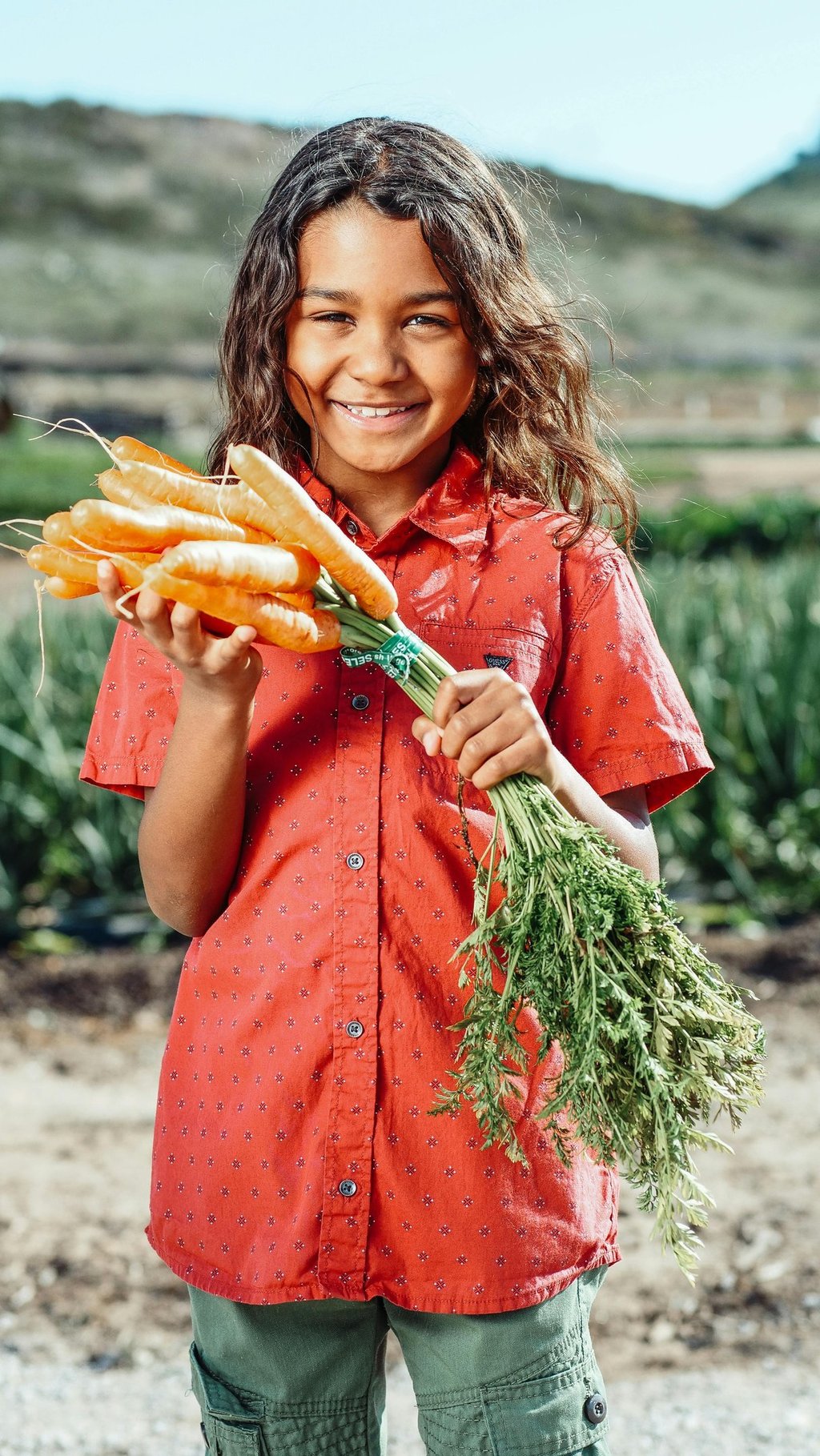

If you've purchased compost from a garden center, had "organic" compost delivered to your farm, or accepted free municipal compost from your local waste facility, you might assume it's safe for growing food. After all, it's compost—broken down organic matter, natural, and good for soil, right?
Not necessarily.
As we work across Mendocino County's agricultural community, we're discovering that many operations are unknowingly using compost materials that may contain heavy metals, persistent chemicals, and other contaminants.
Whether you're growing food for your family, selling to others, or providing food to vulnerable populations, we're reaching out to start an important conversation: Do you know what's in your compost?
The Municipal Waste Question
Municipal solid waste compost—the kind often available free or cheap from local waste management facilities—is made from yard waste, food scraps, and other materials collected from households and businesses. Sounds harmless, right?
The problem is what else ends up in that stream:
Electronic waste components containing lead, cadmium, and mercury
Battery fragments with heavy metals
Treated wood products with arsenic and other preservatives
Industrial debris that somehow makes it into the waste stream
Pharmaceutical residues from food waste
PFAS chemicals (the "forever chemicals") from food packaging and household products
Once these materials are composted together, those contaminants become distributed throughout the entire batch. You can't see them. You can't smell them. But they're there.
What About Industrial Compost?
Agricultural Industrial compost is actually LESS concerning in terms of contamination risk because industries typically have better documentation of their inputs. The challenge with industrial compost is different: excess of specific elements due to industrial practices.
The problems vary depending on the industry. For example, the poultry industry:
Industrial poultry operations use feeds that can contain:
Specific growth promoters that concentrate certain elements
Feed additives designed for production efficiency
Compounds that result in nutrient imbalances in the waste
When poultry waste is composted and applied to soil year after year, you may see excesses of individual elements—not necessarily contamination, but imbalances that affect soil chemistry and plant uptake.
This is a different problem than municipal compost. With industrial compost, you can often get documentation about what's in it. With municipal compost, you can't know what's in it because the inputs are completely unknown.
Think of it like managing regional variations. Just as Comptche has areas with elevated boron in its water and Laytonville has areas with elevated arsenic, the coastal zones reveal heightened levels of manganese, chromium, and nickel—elements tied to serpentine and Franciscan Complex geology. These natural variations remind us that inputs must be managed carefully, no matter how benign they may appear.
In my consulting work, I’ve encountered arsenic and lead in lava rock, arsenic in rice hulls, and cadmium in worm castings across the country. Industrial compost, in particular, requires close oversight, as its elemental profile can vary significantly. Effective management involves recognizing the elements present and ensuring they don’t compromise soil health, food safety, or long-term sustainability. No matter how many times you experience it as a consultant, notifying a farmer that their land can no longer be farmed is devastating.
It's all about elemental management—knowing what you're working with and adjusting your practices accordingly.
Why This Matters for Food Production
Heavy metals in soil don't break down. They persist. And when you grow food in contaminated soil, those metals can be taken up by plants—especially leafy greens like lettuce, chard, and kale.
This is a concern for any operation growing food for consumption, but especially:
For vulnerable populations:
Schools: Children's developing systems are highly susceptible to heavy metal damage
Hospitals: Immunocompromised patients cannot safely consume contaminated produce
Eldercare facilities: Older adults face higher risks from foodborne contaminants
Correctional facilities: Populations with substance abuse or mental health challenges require extra protection
For any food production:
Private farms selling to markets or direct to consumers
CSA operations serving families
Community gardens distributing to food banks
If you're growing food for others, you need to know what's in your soil.
What We're Encountering
In recent assessments across our region, we've encountered:
Compost with visible glass fragments and plastic debris
Untested municipal waste compost applied to growing areas
Year-over-year, for over 20 years, I have observed applications without soil testing
Complete absence of documentation about compost sources or safety testing
Application methods that violate food safety regulations
Most growers had no idea there was a problem. They were told the compost was "organic," or "all natural,"or "OMRI listed."
But organic certification doesn't mean heavy metal free. It never has.
The Testing Gap
Critical: Testing compost alone is not enough. Even if your compost analysis shows heavy metal levels below allowable limits, heavy metals accumulate in soil with repeated applications. A compost that tests "safe" this year can contribute to unsafe soil levels after multiple years of application. Soil itself must be continuously monitored because accumulation happens over time.
Child-specific exposure math: Regulatory limits often assume an adult body weight, but exposure and risk are calculated per unit body weight. Use child body weights and child intake rates to estimate dose for kids rather than scaling adult limits.
Here's the challenge: most soil tests don't look for the contaminants we're discussing. A standard NPK test (nitrogen, phosphorus, potassium) won't show you heavy metals or other contaminants.
For legal compliance in California, you need testing for:
Lead (Pb)
Cadmium (Cd)
Arsenic (As)
Mercury (Hg)
Chromium (Cr)
Nickel (Ni)
Copper (Cu)
Zinc (Zn)
Selenium (Se)
You amay also consider testing for:
PFAS chemicals ("forever chemicals")
Pathogen loads
You have to specifically test for these. And most farms don't, because they don't know they need to.
A Community Needs Assessment
ORCA (Organic Regenerative Certified Apprenticeship) is a public benefit educational nonprofit founded and located in Mendocino County, but also operates as a California state-certified statewide program.
We're conducting this community needs assessment to determine if there's interest in regenerative agricultural programming that includes workforce training around compost safety, soil management, farm management, and food safety compliance.
Specifically, we need to know:
Is there demand for apprenticeship enrollment (employers and individuals)?
Is there public interest in taking classes or attending seminars on these topics?
We need to know if there's demand from Mendocino County farmers and community members so we can allocate our resources effectively.
We're not here to create fear or point fingers. We're here to:
✓ Educate our agricultural community about potential risks
✓ Provide training through our state-certified apprenticeship program
✓ Offer community classes on soil safety and compliance
✓ Build awareness about what "safe" compost really means
✓ Support operations in meeting food safety standards
Who Should Be Interested?
If you grow food for others, you need trained staff. If you want to learn more, we will offer public education.
ORCA offers two pathways:
1. Apprenticeship Program: Any operation producing food for consumption can benefit from enrolling staff or individuals in our state-certified apprenticeship program in compliant regenerative agriculture.
2. Public Classes and Seminars: Community members, farmers, gardeners, and anyone interested in soil safety, compost management, farm management, and food safety compliance can attend our public education workshops.
The Apprenticeship Opportunity
ORCA empowers aspiring regenerative farmers through certified, hands-on apprenticeships that blend soil science, ecological restoration, and real farm experience—building skills, purpose, and community from the ground up.
ORCA operates a California state-certified apprenticeship program that strengthens regenerative farms by offering certified, hands-on training programs that empower employees to grow into skilled farm managers. By enrolling their team members as apprentices, farmers invest in on-farm capacity, ecological resilience, and a shared commitment to soil health and community well-being.
Two enrollment pathways:
Employers can enroll their staff for workforce training
Individuals can join the apprenticeship program directly
ORCA has partnered with the Advancing Apprenticeship Association, which advocates for the needs of apprentices.
We want to hear from you if you're interested in:
Enrolling staff in our apprenticeship training program
Joining the apprenticeship program as an individual
Attending public classes or seminars on soil safety, compost management, farm management, and food safety
Understanding your testing and documentation needs
Learning about food safety compliance
Tell us what you need—apprenticeship enrollment or public education—so we can allocate our resources to serve Mendocino County effectively.
What's Coming Next
Over the next few weeks, we'll be sharing more information about:
Legal responsibilities when growing food for vulnerable populations (Blog #2)
Understanding heavy metal contamination and testing protocols (Blog #3)
Remediation strategies for contaminated soils
The difference between compliance and truly protective standards
How to evaluate compost safety before application
This isn't about creating panic. It's about creating awareness.
Because the first step in managing risk is knowing it exists.
Get Involved
Is your soil safe? Let's find out together.
Next in this series: "The Hidden Liability: Legal Ramifications of Untested Soil for Organizations Serving Vulnerable Populations."
Share this article with growers in your community who might benefit from this information.
A Community Needs Assessment from ORCA
Contact:
ORCA (Organic Regenerative Certified Apprenticeship)
calorcaprogram@gmail.com
Surprise Valley Agroecology
svagroecology@gmail.com
svafarm.com
David King
707-397-5159
orca-ca.com